Order It, Hold It, Actually Drink It: The Unhurried Coffee Culture Taipei Quietly Perfected
There's a moment that catches a lot of first-time visitors off guard. You've ordered your coffee, found a seat, and the barista walks over—not to a pickup counter, but directly to your table—and sets the cup down with both hands. Sometimes there's a small card describing the bean's origin. Sometimes there's a tiny piece of chocolate on the saucer. There's almost always eye contact and a quiet word or two. And then you're expected to just... sit there. With your coffee. And drink it.
For Americans trained by years of drive-throughs, mobile orders, and cold brew chugged at a crosswalk, this interaction can feel genuinely disorienting. Not uncomfortable, exactly—just unfamiliar in a way that takes a second to process. What's happening here is something Taipei's café scene has refined into an art form: the ritual of actually experiencing your coffee.
The Presentation Is the First Sip
Walk into almost any independent café in Da'an, Zhongshan, or Yongkang and you'll notice the same thing. Nobody's rushing. The barista isn't shouting names. The espresso machine isn't a soundtrack to chaos. The pace in these spaces is deliberate in a way that feels almost choreographed—because, in some sense, it is.
Chang Wei-lin, who has run a small specialty café in the Shida neighborhood for going on seven years, describes the presentation moment as intentional communication. "When I bring the cup to the table, I'm telling the guest: this is worth your attention," she says. "The coffee took time to make. It should take time to drink."
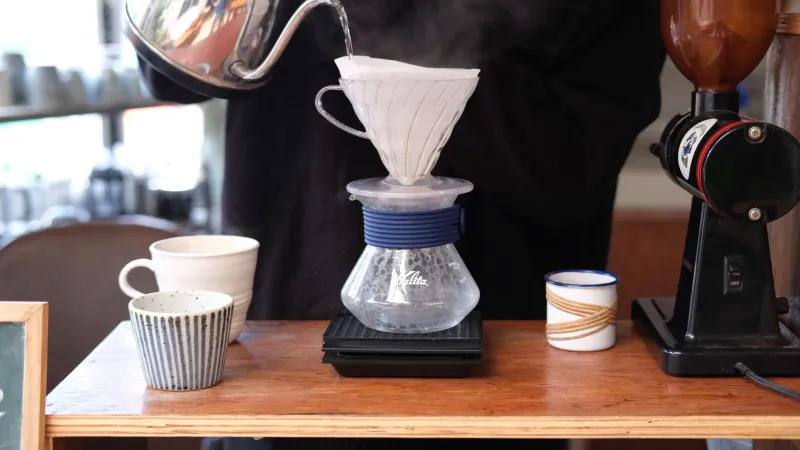
That philosophy extends to the physical details. Many Taipei cafés serve espresso-based drinks with a small glass of sparkling water—a palate cleanser, a signal to slow down. Some include a handwritten note about the day's single-origin pour-over. Others present the cup on a wooden tray with the kind of quiet ceremony that would feel pretentious in a Manhattan coffee shop but lands completely differently here, where it's simply the norm.
The ritual isn't performative. It's functional. It frames the experience before you've taken a single sip.
Seating as Social Contract
One of the more fascinating unwritten rules in Taipei's café culture is how people relate to space and time. In the US, lingering is often treated as a mild social transgression—something you do quietly and with a little guilt, especially if the place is crowded. You nurse your latte, keep your laptop open to look productive, and eventually feel the invisible pressure to move along.
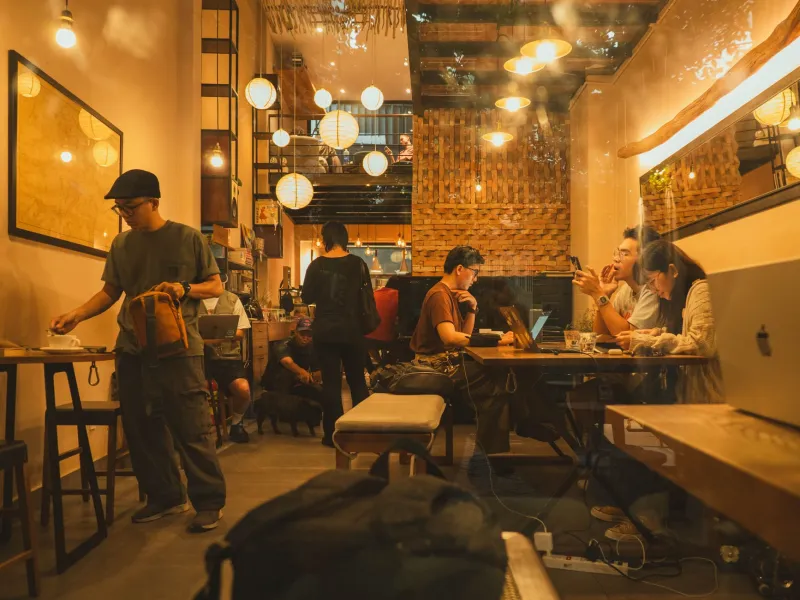
Taipei operates on a different social contract. Regulars at many cafés in neighborhoods like Xinyi or Songshan will spend two, three, sometimes four hours at the same table. Not because they're freeloaders—but because that's what the space is designed for. Café owners here largely build their business model around depth of visit rather than volume of transactions.
"A customer who stays for three hours and orders one coffee and one piece of cake is still a good customer," says Liu Jia-hao, who owns a café near Taipei Main Station that's become a neighborhood anchor over the past decade. "They're part of the atmosphere. They make the place feel alive. That's worth something."
This attitude shapes everything from furniture choices—comfortable, lived-in chairs rather than deliberately hard stools designed to discourage overstaying—to music volume, lighting levels, and even how staff interact with seated guests. The goal isn't turnover. It's a room full of people who are genuinely comfortable.
What Speed Costs You
American coffee culture isn't bad at coffee. It's actually quite good at it, in terms of quality and variety. What it tends to be less good at is the surrounding experience—the frame that makes the coffee mean something beyond caffeine delivery.
When you order a $7 latte through an app, walk in, grab it off the counter without speaking to anyone, and drink it in your car on the way to a meeting, you've consumed coffee. But you haven't had a coffee experience. The distinction sounds precious until you've spent a week in Taipei doing it the other way.
There's actual psychology behind this. Research on savoring—the practice of consciously attending to and appreciating a positive experience—consistently shows that slowing down enhances how much pleasure we derive from it. When you're handed a cup with care, seated in a space designed for comfort, and given social permission to stay a while, you're primed to actually taste what's in front of you. The ritual isn't decoration. It's a delivery mechanism for enjoyment.
Americans have largely optimized that ritual away. In doing so, they've made coffee faster, more accessible, and more efficient—and in some ways, a little less worth having.
Learning to Receive a Cup
Regulars at Taipei cafés often describe a kind of recalibration that happens when you become a true habitué of a neighborhood spot. You stop checking your phone the moment you sit down. You start noticing the coffee's smell before you drink it. You learn the barista's name and they learn your order. The café becomes a third place in the truest sense—not home, not work, but somewhere that belongs to you in a different and arguably more relaxed way.
American travelers who spend real time in Taipei's café scene—not just popping in for an Instagram shot, but actually sitting, ordering, and staying—frequently describe this shift. Something loosens. The coffee tastes better not because it's objectively superior (though Taiwanese single-origins are genuinely excellent), but because the conditions for tasting it properly have finally been met.
That's the thing about Taipei's café ritual that doesn't translate easily into a takeaway cup. You can't export the pace. You can't download the unhurried atmosphere. You have to show up, sit down, and let the whole experience happen at the speed it was designed for.
Bringing It Home—Sort Of
None of this means you need to move to Taipei to drink coffee like a human being. But it does suggest some habits worth borrowing. Sit down when you can, even if it's just for fifteen minutes. Put your phone on the table face-down instead of in your hand. Notice the temperature of the cup. Drink the water they give you before you start.
Small adjustments, sure. But ritual is built from small adjustments repeated until they mean something.
Taipei's cafés didn't set out to teach the world a lesson about slowness. They just built spaces worth staying in and trusted that people would figure out the rest. Turns out, when you give people permission to not be in a hurry, most of them are relieved to take it.