Brew Taiwan at Home: How to Source Real Taiwanese Coffee Beans and Pull Off a Taipei-Worthy Cup in Your Own Kitchen
If you've ever sat in a Taipei café, wrapped your hands around a pour-over, and thought I need to figure out how to make this at home — you're not alone, and you're not out of luck. Taiwanese specialty coffee has quietly become one of the most exciting origin stories in the global coffee world, and a small but growing number of roasters are making it possible for American enthusiasts to get their hands on the real thing without leaving their zip code.
This guide is for the coffee lover who wants to go deeper than a bag of generic "Asian blend" from a grocery store shelf. We're talking Taiwanese beans, Taiwanese processing methods, and the brewing approaches that Taipei's best baristas actually use. Let's get into it.
Why Taiwanese Coffee Is Worth Your Attention
Taiwan isn't the first origin that comes to mind when most American coffee drinkers think about specialty coffee. Ethiopia, Colombia, Kenya — those are the names that show up on third-wave café menus across the US. But Taiwan has been quietly producing high-quality coffee for over a century, primarily in the mountainous regions of Alishan, Gukeng, and the Dongshan area in Tainan.
What makes Taiwanese coffee distinctive is a combination of altitude, climate, and soil that produces beans with a flavor profile unlike most other Asian origins. You'll often find a natural sweetness — think stone fruit, honey, and sometimes a floral quality reminiscent of Taiwanese oolong tea — alongside a clean, mild acidity that makes the coffee remarkably approachable. The island's subtropical climate and frequent cloud cover at higher elevations create slow-ripening conditions that concentrate sugars in the cherry, which translates directly into cup quality.
Processing methods on the island have also evolved significantly in recent years. Natural and honey processing — where the fruit is left on the bean for varying amounts of time before drying — have become increasingly common, adding layers of fruit-forward complexity that specialty coffee drinkers in the US tend to love.
Finding Taiwanese Beans in the US
This is the part that used to be genuinely difficult. Taiwanese coffee production is relatively small-scale, which means most of the harvest gets consumed domestically. But the international specialty coffee community has taken notice, and a few roasters are now making Taiwanese beans accessible to US customers.
What to look for when sourcing: Prioritize roasters — either Taiwan-based operations that ship internationally or US importers with direct relationships — that can tell you the specific growing region, farm or cooperative, varietal (Arabica typica and bourbon varieties are common on the island), and processing method. Transparency here is a good sign that you're dealing with people who actually care about the supply chain.
A handful of Taiwan-based roasters with international shipping capabilities have built real followings among diaspora communities and specialty coffee enthusiasts in the US. Searching for "Alishan coffee" or "Taiwan specialty coffee" on platforms like Etsy or direct-to-consumer roaster websites will surface some legitimate options. When you find a roaster you like, check whether they offer a subscription — Taiwanese harvest seasons are distinct, and having a roaster who'll notify you when fresh crop arrives is genuinely useful.
Also worth checking: US-based specialty roasters who source from Taiwan as part of a rotating single-origin program. It's not a consistent year-round offering at most shops, but when it appears, it's usually well-sourced.
Understanding Roast Levels and What Taipei Cafés Actually Prefer
One of the things that strikes a lot of American visitors to Taipei is how light the roasts tend to run at serious specialty cafés. Taipei's coffee culture has embraced the third-wave philosophy wholeheartedly — the goal is to let the terroir of the bean speak rather than mask it with darker roast development.
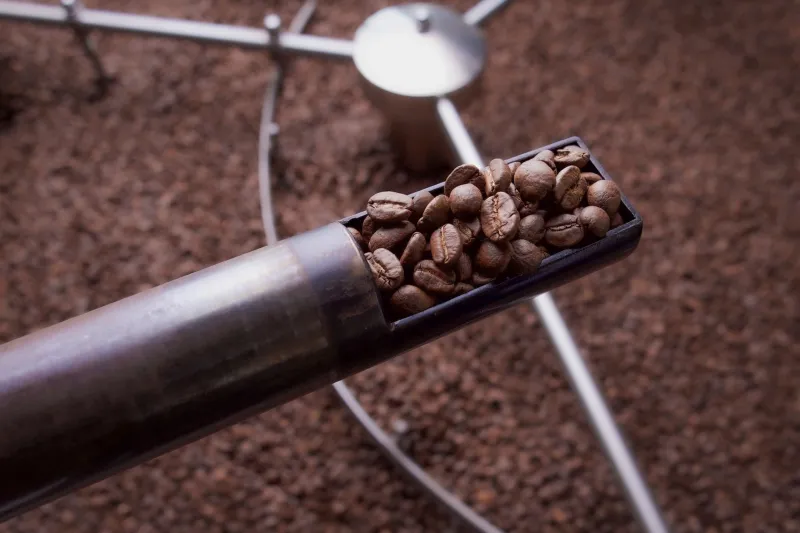
For Taiwanese beans specifically, a light to medium-light roast is almost always the right call. Darker roasts will flatten the delicate stone fruit and floral notes that make these beans interesting in the first place. When you're ordering from a roaster, ask about their roast profile, or look for descriptors like "filter roast" or "light roast" on the packaging.
Brewing Methods: What Taipei Baristas Actually Reach For
Walk into any respected Taipei specialty café and you'll see a familiar lineup of manual brewing equipment: V60 pour-overs, Chemex, AeroPress, and occasionally siphon brewers for a bit of theater. Espresso-based drinks are everywhere too, but for showcasing a high-quality Taiwanese single origin, manual pour-over is the dominant choice.
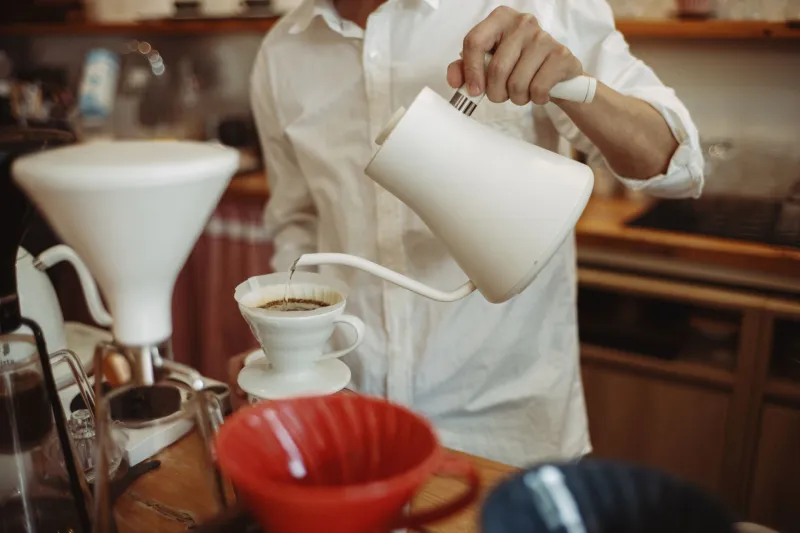
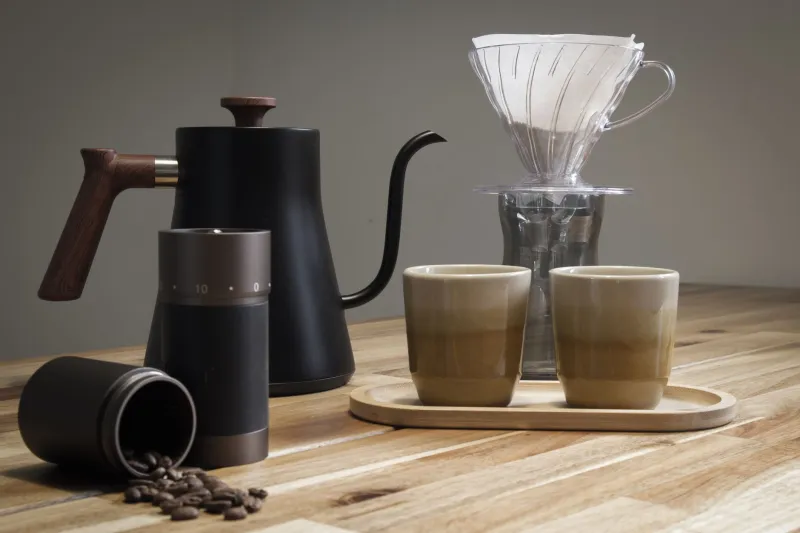
For pour-over at home: A Hario V60 or a Kalita Wave will serve you well. Taipei baristas tend to favor a medium-fine grind, a brew ratio around 1:15 (one gram of coffee to fifteen grams of water), and a water temperature between 195–205°F. The pour is typically done in stages — a bloom pour to degas the coffee, followed by slow, controlled circular pours. Total brew time usually lands around three to four minutes.
Grind fresh, always. This isn't negotiable if you want to get anywhere close to the café experience. A quality burr grinder — the Baratza Encore is a solid entry-level option, and the Fellow Ode is a step up — will make a more significant difference to your cup than almost any other equipment upgrade.
Water quality matters more than most people realize. Taipei's café scene is fastidious about water. Filtered water with moderate mineral content (not distilled, not straight from a heavily chlorinated municipal tap) will get you noticeably closer to what you're tasting in a good Taipei café.
For AeroPress enthusiasts: Taiwanese coffee responds beautifully to AeroPress. A slightly finer grind, a 1:12 ratio, and a short brew time of around ninety seconds to two minutes with the inverted method will give you a concentrated, sweet cup that highlights the honey and fruit notes characteristic of the island's beans.
Making It Feel Like Taipei
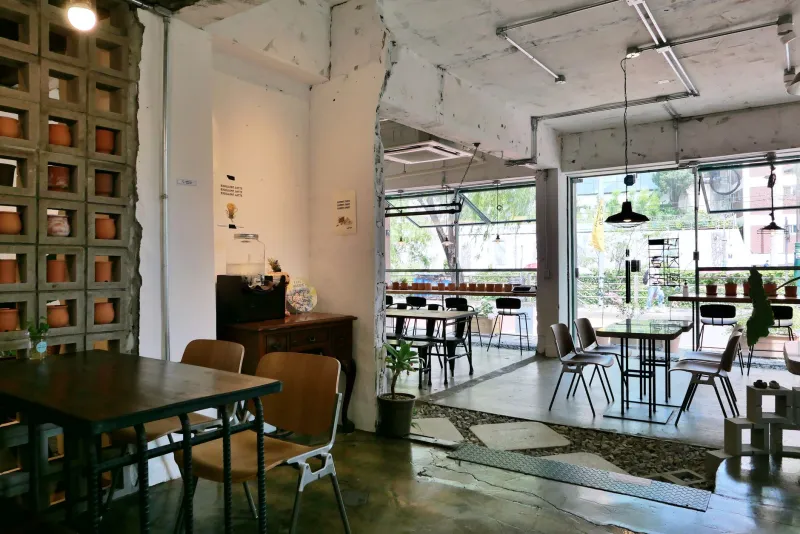
Brewing technique and bean quality will get you most of the way there, but a few small details can close the gap. Taipei cafés are meticulous about serving temperature — drinks are served immediately, not left sitting on a counter. They're also careful about presentation without being fussy: a clean cup, a small glass of still water on the side, and nothing that distracts from the coffee itself.
If you want to recreate a specific Taipei-style iced coffee, try this: brew a pour-over directly over ice using a 1:12 ratio (to account for dilution), and use a light-roasted Taiwanese natural process bean. The result — bright, sweet, fruity, with a clean finish — is about as close to a Da'an District summer afternoon as you can get without actually being there.
The coffee is worth chasing. Start with a bag of Alishan beans, dial in your grind, and see where it takes you.