Where Tea Ceremonies Meet Pour-Overs: Inside Taipei's Hybrid Café Revolution
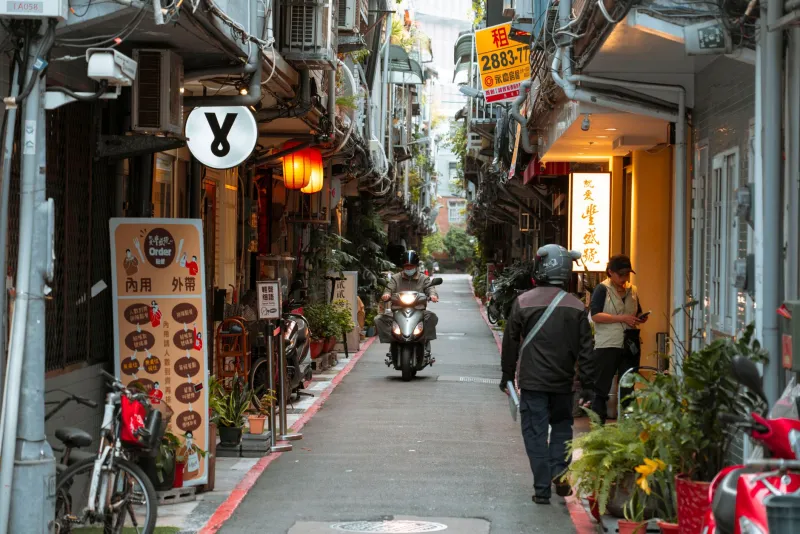
Walk into almost any specialty coffee shop in the US and you'll recognize the template: exposed brick, a chalkboard menu with single-origin tasting notes, a barista who can tell you the exact elevation of the Ethiopian farm your beans came from. It's a formula that works. But spend a few afternoons exploring Taipei's independent café scene, and you'll start noticing something different — something that doesn't have an easy American analog.
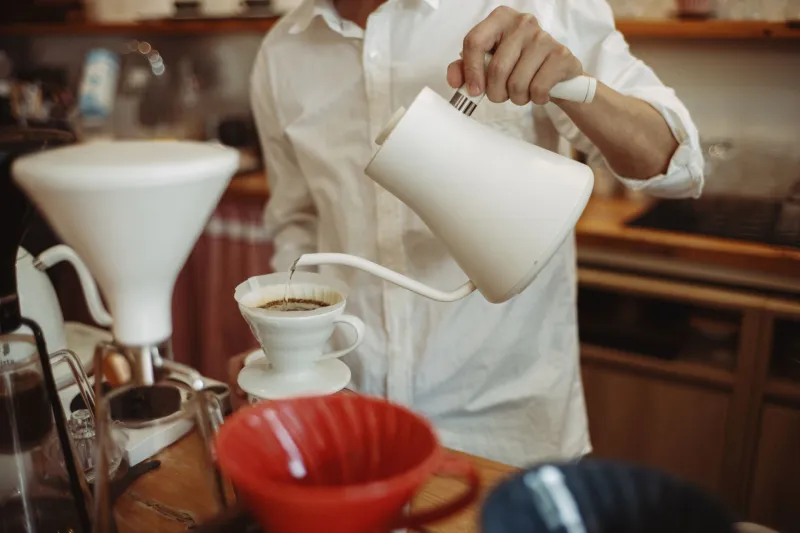
Here in Taipei, a growing number of coffee shop owners are refusing to separate their craft from the island's deep-rooted tea culture. The pour-over bar shares counter space with gaiwan sets. Menus list Alishan high-mountain oolong alongside washed Yirgacheffe. And the philosophy behind the cup — patience, terroir, mindfulness — turns out to translate surprisingly well across both traditions.
Why Taipei Was Always Set Up for This
Taiwan has been producing world-class tea for well over two centuries. Oolong varieties like Dong Ding and Oriental Beauty aren't just local staples — they're globally respected among serious tea drinkers the same way Gesha or Bourbon coffee varietals are revered in specialty coffee circles. The island's mountainous terrain, humid climate, and generational farming knowledge have produced a tea culture with enormous depth.
When third-wave coffee started gaining traction in Taipei in the early 2010s, it didn't land in a cultural vacuum. It landed in a place where people already understood the conversation: the importance of origin, processing method, and the relationship between grower and drinker. That shared vocabulary made cross-pollination feel natural rather than forced.
"When I started roasting, I kept noticing that the language my customers used to describe coffee was the same language their grandparents used for tea," says one roaster based in Da'an District, who trained in Japan before returning to Taipei to open his own shop. "Floral, mineral, lingering finish — these aren't coffee terms, they're just sensory terms. Taiwan already knew them."
The Shops Rewriting the Rulebook
A handful of cafés around the city have moved well beyond simply offering both beverages on the same menu. They're building entire experiences around the dialogue between the two.
Flux Coffee in Zhongshan is one of the most talked-about examples. The shop sources its beans from small farms across Ethiopia, Colombia, and — notably — its own relationships with Taiwanese producers experimenting with coffee cultivation in Nantou County. Alongside its rotating single-origin filter menu, Flux maintains a curated tea selection and regularly hosts tasting events that pair specific roast profiles with complementary oolongs. The interior reflects the same sensibility: clean wood surfaces, ceramic vessels, a deliberate quietness that feels closer to a tea house than a conventional café.
Yü & Brew, tucked into a residential lane in Wenshan District near Muzha — Taiwan's historic tea-growing hub — takes a more academic approach. The owners, a husband-and-wife team with backgrounds in both fields, have designed their menu around terroir comparisons. On any given week, you might find a tasting flight that places a high-roast Taiwanese oolong next to a natural-processed Guatemalan, asking customers to find the connective thread. It's the kind of experience that sounds pretentious on paper but feels genuinely illuminating in person.
Even shops that don't lean into the concept explicitly are absorbing its influence. Across Taipei's café scene, you'll find baristas who brew filter coffee with the same measured stillness you'd see in a tea ceremony, owners who talk about seasonal menus with the same reverence a tea farmer might apply to harvest timing.
How This Differs from What's Happening in the West
Third-wave coffee culture in the US has always carried a slight tension between its craft-focused idealism and its lifestyle branding. The aesthetic can sometimes overshadow the substance. Taipei's hybrid approach sidesteps that tension, partly because it's rooted in something that predates the trend cycle entirely.
Taiwanese tea culture isn't a reference point being borrowed for atmosphere — it's a living practice that many café owners grew up with. When a Taipei barista talks about slowing down the brewing process to let flavors develop, they're not repeating something they read in a coffee manual. They're drawing on an embodied understanding that comes from watching a parent or grandparent brew tea with that same unhurried attention.
There's also a humility built into the approach. Where Western third-wave culture can occasionally tip into competitive connoisseurship, Taipei's hybrid cafés tend to feel more inviting — more focused on sharing an experience than demonstrating expertise. Several owners we spoke with described their spaces explicitly as places for conversation, not performance.
What It Means for the Cup
Practically speaking, the cross-influence shows up in some interesting ways. Several Taipei roasters are experimenting with processing techniques borrowed from tea production — specifically, applying concepts from oolong oxidation to post-harvest coffee processing. The results are still experimental, but early versions have produced coffees with unusually complex floral and stone-fruit characteristics that feel genuinely distinct from anything coming out of more conventional roasteries.
Brewing methods have also evolved. Some shops have adapted traditional clay teapot techniques for slow-drip coffee preparation, using vessels that impart subtle mineral qualities to the final cup. It's the kind of nerdy cross-disciplinary experimentation that coffee obsessives will find fascinating — and that casual drinkers will simply experience as a really interesting, hard-to-place flavor.
A Model Worth Watching
For US coffee lovers planning a trip to Taipei, these hybrid spaces offer something genuinely different from the café experiences available back home. They're not trying to be Japanese kissaten culture or Scandinavian minimalism or Brooklyn industrial chic. They're something specifically Taiwanese — built from a unique overlap of geography, history, and craft tradition that can't really be replicated anywhere else.
And for the broader global coffee conversation, Taipei's experiment raises an interesting question: what happens when specialty coffee stops trying to define itself against other beverage traditions and starts learning from them instead? Based on what's brewing here, the answer might be the most exciting development in café culture in years.