Beans, Passion, and a Whole Lot of Altitude: The Indie Roasters Putting Taipei on the Specialty Coffee World Map
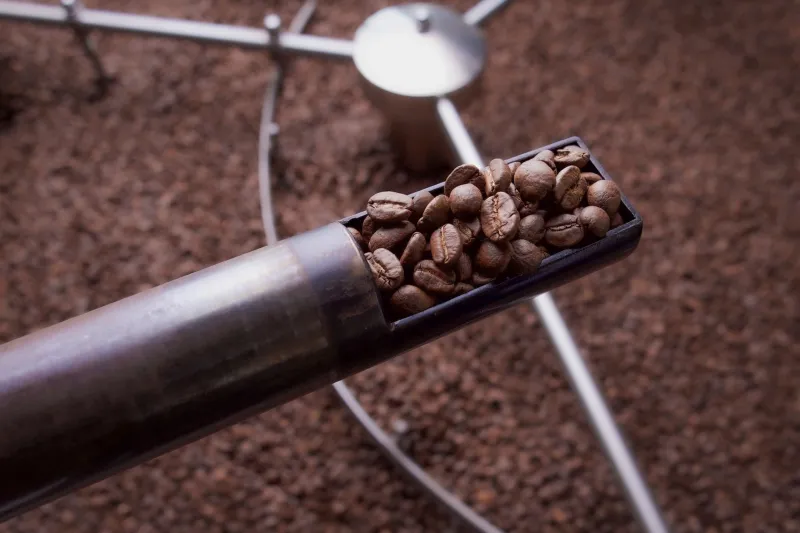
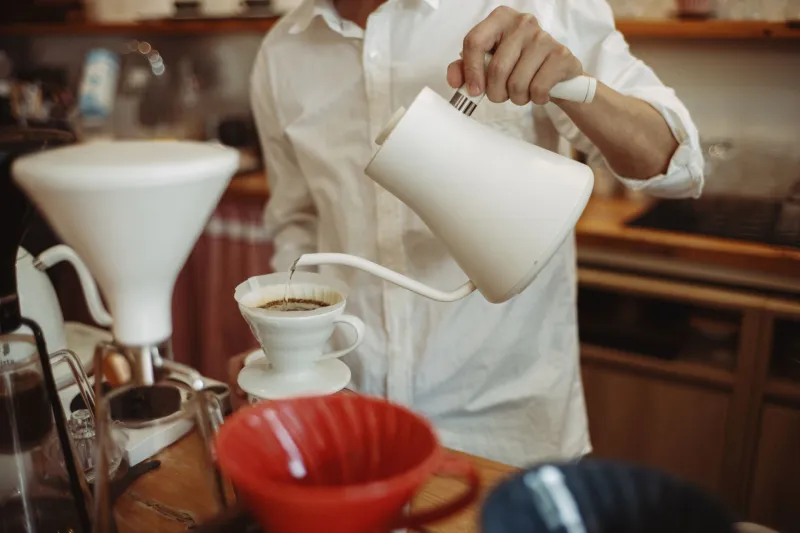
Walk into the right café in Da'an or Zhongshan on any given weekday morning and you'll catch the smell before you see anything — that particular sweetness of fresh roast cooling on a drum, something fruity and almost floral drifting out from a back room that looks more like a chemistry lab than a kitchen. Taipei's specialty coffee scene doesn't announce itself loudly. It doesn't need to. The work speaks for itself.
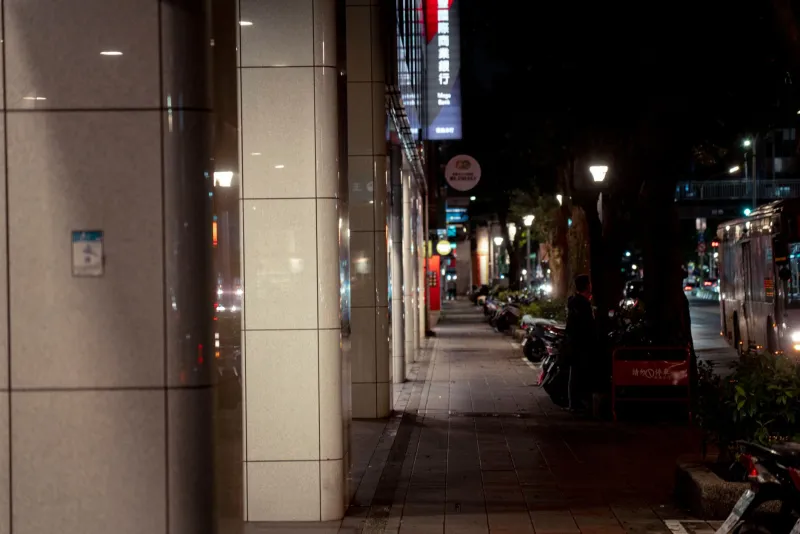
Over the past decade, a tight-knit community of independent roasters has built something genuinely remarkable here — a culture of sourcing, tasting, and craft that puts Taipei in the same conversation as the cities Americans typically associate with serious coffee. Think Portland's Stumptown-era energy or Melbourne's laneway espresso obsession, but filtered through a Taiwanese sensibility that prizes precision, hospitality, and a certain quiet dedication to getting things exactly right.
Starting from Scratch in a Tea Culture
It's worth remembering that Taiwan has one of the world's great tea traditions. Oolong from the Ali Mountain range, high-mountain Da Yu Ling, bubble tea that the whole world eventually borrowed — tea is embedded in the cultural DNA here in a way that coffee simply isn't, at least not historically. That context makes what Taipei's roasters have built feel even more impressive.
"When I started roasting seriously, maybe 2011 or 2012, people would walk in and ask if we also sold tea," laughs the owner of one small roastery tucked behind a residential lane in Songshan District, who asked to go by his nickname, A-Wei. "They weren't being rude. It just wasn't obvious yet that coffee could be something you cared about the same way you care about a really good oolong."
A-Wei spent two years visiting farms in Ethiopia, Colombia, and Guatemala before he felt confident enough to start building direct sourcing relationships. That kind of investment — financial and personal — is common among Taipei's serious roasters. It's not marketing language. They actually go.
The Direct-Trade Difference
For American coffee drinkers used to seeing "direct trade" on bags at Whole Foods, it's worth understanding what that phrase actually means when Taipei's smaller roasters use it. We're talking about roastery owners who personally visit washing stations in Yirgacheffe, who know the names of the farmers whose lots they're buying, and who sometimes fund infrastructure improvements at origin as part of multi-year purchasing commitments.
One of the more celebrated examples is a roastery in the Xinyi area that has maintained a sourcing relationship with a single family farm in Colombia's Huila region for nearly eight years. The owner, who trained as an engineer before pivoting to coffee, describes the relationship as more like a partnership than a transaction.
"We buy their best lots every year, we share cupping notes with them so they understand how the coffee is being received, and they give us early access before they sell to the open market," she explains over a glass of cold brew that tastes, improbably, like peach and brown sugar. "It takes years to build that. You can't fake it."
This level of sourcing rigor has real consequences for what ends up in the cup. Single-origin offerings rotate seasonally, tasting menus at some roasteries function more like wine flights than coffee service, and baristas are expected to articulate the flavor profile of each offering with the kind of specificity that would feel completely at home at a specialty café in San Francisco or Chicago.
Competing Without the Brand Power
Of course, it's not all cupping tables and farm visits. Running an independent roastery in Taipei means competing against deeply entrenched local chains — brands that have been part of the city's coffee identity for decades and carry serious loyalty from everyday consumers. It also means navigating the economics of a city where real estate costs are high and consumers have plenty of options.
"The chains can do price and convenience better than we ever will," says A-Wei plainly. "So we stopped trying to compete on those terms a long time ago. We compete on the thing they can't copy easily, which is the actual quality and story of the coffee."
That philosophy has meant leaning hard into education — tastings, workshops, and the kind of transparent communication about process that builds genuine loyalty over time. Several of Taipei's leading roasteries now run regular public cupping sessions that draw a mix of industry professionals and curious newcomers. The energy at these events is less intimidating than you might expect. There's a generosity to how knowledge gets shared here.
Building a Community, Cup by Cup
Maybe the most surprising thing about Taipei's specialty coffee scene, at least to a first-time visitor from the States, is how collaborative it feels. Roasters share sourcing contacts. Baristas move between establishments without the territorial friction you sometimes see in competitive American markets. Competition exists, but it seems to coexist comfortably with genuine mutual support.
Taipei now hosts coffee competitions that draw participants from across Asia, and local baristas have placed well at international events including the World Barista Championship. That kind of recognition matters — not because trophies define quality, but because they signal to the broader global coffee community that something real is happening here.
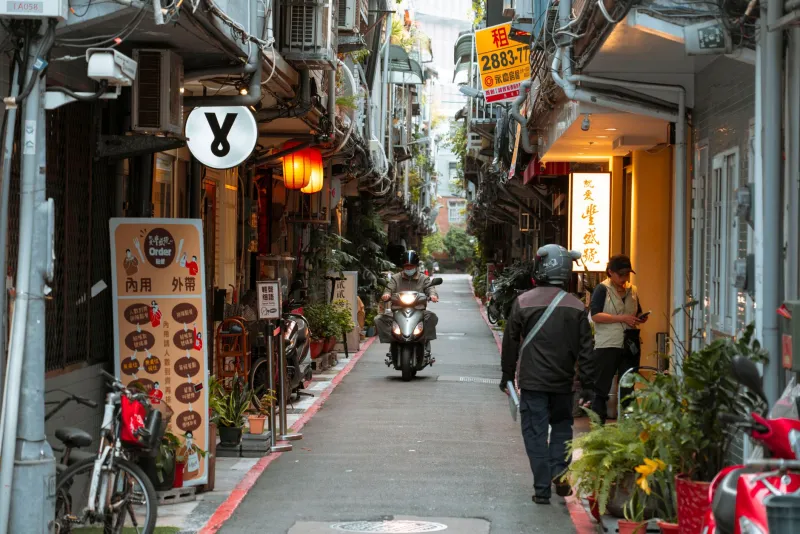
For anyone visiting Taipei who cares about coffee, spending an afternoon at one of the city's independent roasteries is genuinely worth building into your itinerary. Skip the chain on the corner, follow the smell of fresh roast down a side street, and ask the person behind the counter where the beans came from. Odds are, they'll have a story worth hearing.
And if you're lucky, they'll offer you a sample of something from a farm you've never heard of, at an altitude that changes everything about how a coffee tastes. That's the whole point, really. That's what these roasters have been working toward all along.