Seated Next to a Stranger and Actually Talking: What Taipei's Cafés Know That Starbucks Doesn't
There's a particular kind of loneliness that follows Americans when they travel solo. You're surrounded by a city full of people, you're doing all the right things — café-hopping, exploring neighborhoods, ordering coffee you can't quite pronounce — and yet somehow you end up spending most of your time staring at your phone or journaling in the corner. Sound familiar?
Taipei has a quiet cure for this, and it's baked right into the architecture of its coffee shops.
The American Default: Don't Make Eye Contact
Let's be honest about what coffee culture looks like back in the States. You walk into a Starbucks or a third-wave indie shop, you order, you find a corner table, you open your laptop, and that's it. That's the whole experience. The physical layout of most American cafés actively reinforces this: individual chairs facing walls, booths with high backs, long communal tables that somehow still feel private because everyone is wearing noise-canceling headphones and has established an invisible six-inch perimeter around themselves.
We've essentially built cafés that are public spaces engineered for isolation. Nobody designed them to be antisocial — it just kind of happened that way, shaped by remote work culture, social anxiety, and a general American preference for not being bothered.
Taipei took a different architectural philosophy and ran with it.
What the Layout Is Actually Telling You
Walk into almost any café in Da'an, Zhongshan, or Xinyi and you'll notice something almost immediately: the seating doesn't make sense by American standards. Chairs are angled toward each other rather than away. Small round tables are pushed close together — not uncomfortably so, but close enough that you're aware of the person next to you. Long wooden counters run along windows, and the stools face outward toward the street, which means you're sitting side-by-side with whoever settled in next to you.
Shared tables — real ones, where strangers are expected to sit together and coexist — are common even in smaller shops. And unlike the American version of a communal table, which is basically just a very wide surface where everyone carefully avoids acknowledging each other, these tables in Taipei actually function as social infrastructure.
Owners here will tell you this isn't accidental. Many of them grew up in tight urban spaces, in neighborhoods where the café was literally the living room overflow. The design reflects that. Space is intentional. Proximity is a feature, not a flaw.
The Role of the Barista as Social Architect
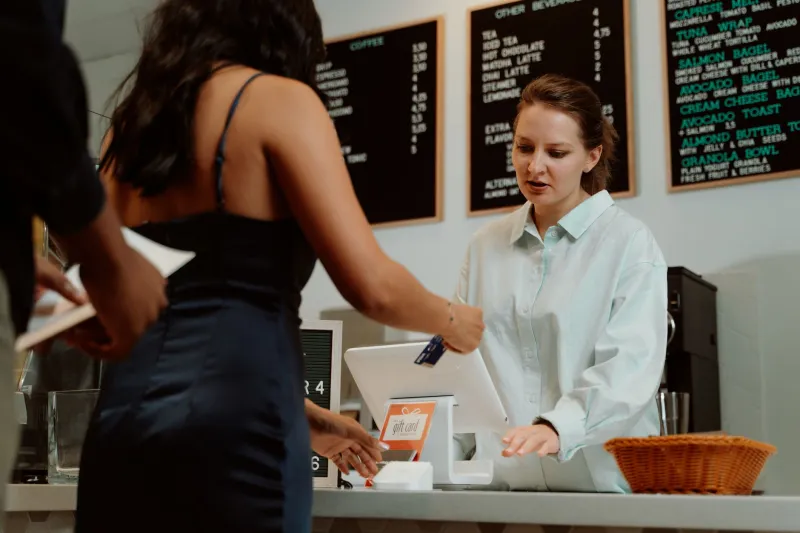
Another thing that catches Americans off guard: Taipei's baristas talk to you. Not in the scripted, "Hi, what's your name for the cup?" way, but in actual conversation. They might ask where you're from, recommend something based on what you ordered last time (yes, they remember), or just make an observation about the weather or the neighborhood.
This sets a tone for the whole room. When the person behind the counter is relaxed and conversational, it signals to everyone else that this is a place where talking is allowed. Permitted. Encouraged, even.
Compare that to many specialty cafés in the US, where the barista is focused, precise, and a little intimidating — which is fine, great coffee is being made — but the atmosphere communicates something very specific: we are here to perform a craft, not to chat. Both approaches are valid. But only one of them makes a solo traveler feel like they just walked into a room full of potential friends.
Why This Hits Different When You're Traveling Alone
For Americans doing Taipei solo, the café becomes something more than a caffeine stop. It becomes a social anchor. And the design of these spaces means that connection is available if you want it — you don't have to engineer it or feel weird about it.
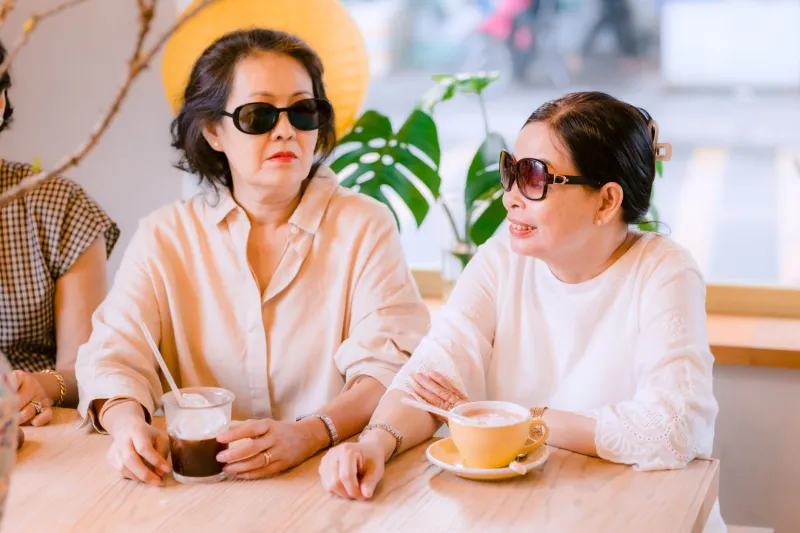
Sitting at a shared table and having someone ask about your guidebook is normal here. Asking the person next to you for a neighborhood recommendation is normal. Striking up a conversation with another foreigner who ended up at the same counter because the barista sat you both there deliberately — that happens more than you'd think.
Several American expats living in Taipei have described this as one of the first things they noticed and one of the things they miss most when they go back home. One writer who spent six months working remotely from Taipei cafés put it this way: "I talked to more people in my first two weeks in Taipei than I had in six months of working from coffee shops in Brooklyn. And I didn't feel like I was doing anything weird to make it happen. The room just... allowed it."
Remote Workers, Take Note
If you're coming to Taipei for a workcation — and a growing number of Americans are — this social dimension of café culture is worth paying attention to. Yes, you can absolutely find a corner, put your headphones on, and grind through your Zoom calls. The Wi-Fi is fast, the coffee is excellent, and nobody will kick you out.
But you might also find that leaving one earbud out changes your whole day. That the person who asked to borrow your charger ends up giving you the best dinner recommendation you'll get all trip. That the barista who noticed you'd been there three hours brings you a small complimentary snack and asks if you need anything — and suddenly you're in a twenty-minute conversation about Taiwanese specialty coffee that you didn't plan for and absolutely didn't want to end.
The café as a social space isn't a new concept globally. It's how coffeehouses functioned for centuries in Europe and the Middle East — as places where ideas got exchanged, where strangers became regulars, where the room itself was part of the product. Taipei has held onto that original idea better than most cities, and it shows.
What You Can Actually Do With This
If you want to lean into the social side of Taipei's café scene, a few practical notes: skip the window seat with your back to the room and take a stool at the counter instead. Choose a shared table when one is available. Don't immediately put headphones in — give the room a few minutes first. Order something you're curious about and ask the barista about it. These aren't tricks, they're just the unspoken etiquette of how these spaces actually work.
And if you're the kind of person who finds small talk with strangers genuinely uncomfortable — fair enough, no judgment — Taipei's cafés will still give you something. Even just sitting in a room where people are actually talking to each other, where the energy is open rather than closed off, has a way of making you feel less alone.
Sometimes that's exactly what a solo trip needs. Not a big conversation. Just proof that connection is still possible, and that some cities still build their coffee shops to make room for it.