Stamp, Sip, Repeat: The Low-Tech Loyalty Game That Turns Taipei's Café Scene Into a City-Wide Adventure
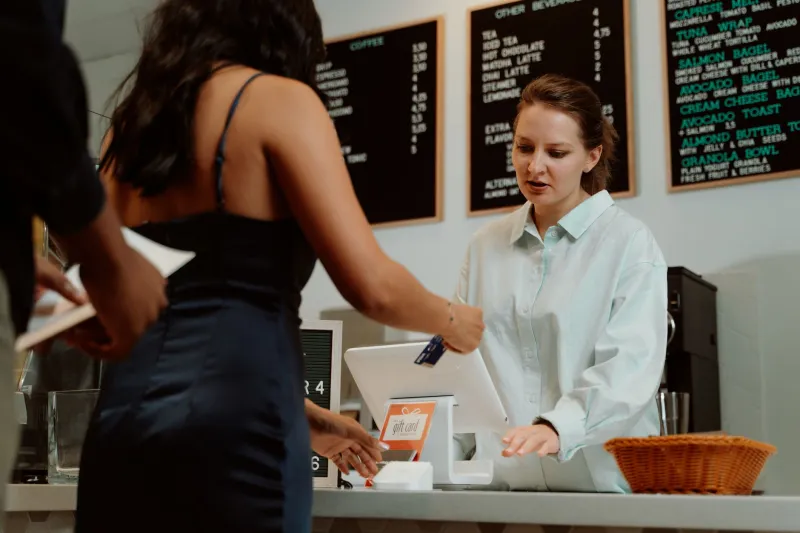
You're on your third flat white of the day, somewhere in the Da'an District, when the barista slides your drink across the counter and then — almost as an afterthought — picks up a small rubber stamp and presses it onto a card you didn't even know you were collecting. Welcome to one of Taipei's most quietly beloved café traditions: the stamp passport.
If you've never encountered this system before, it's exactly what it sounds like. Many of Taipei's independent cafés issue small loyalty cards — sometimes a simple folded square of cardstock, sometimes a beautifully printed mini-booklet — and every time you order, you earn a stamp. Fill the card, and you might get a free drink, a discount, or occasionally something more creative: a tote bag, a bag of beans, early access to a seasonal menu. But if you think this is just Taipei's version of the Starbucks rewards app, you're missing the point entirely.
More Than a Punch Card
In the US, loyalty programs are almost entirely transactional. You accumulate points through an app, you redeem them for a discount, and the whole interaction happens on a screen you're already staring at. Taipei's stamp culture operates on a different logic. The card is physical. The stamp is physical. And the act of handing it over — of the barista recognizing you as someone who keeps coming back — carries a social weight that a push notification simply cannot replicate.
"When a customer brings back their card, it tells me they chose to return," says the owner of a small specialty shop in Zhongshan. "That means something. It's not an algorithm that brought them in. It's a decision."
That distinction matters more than it might seem. Taipei's independent café scene is built on the concept of regulars — people who treat a specific shop as their shop, who have a usual order, who know the barista's name. The stamp card is basically a physical record of that relationship forming. By the time you've filled one, you've probably had a real conversation with someone behind the counter. That's not an accident.
How the System Actually Works
Most stamp programs in Taipei follow a familiar structure: somewhere between six and twelve stamps earns you a free drink. The card is usually handed to you on your first visit, no sign-up required, no email address surrendered. You keep it in your wallet. You bring it back. Simple.
But the details vary in ways that are worth knowing before you start collecting. Some cafés issue stamps only for specific drinks — espresso-based orders, for instance, but not drip coffee or tea. Others stamp per visit regardless of what you order. A few shops have tiered cards, where filling your first card unlocks a second with better rewards. And some of the more design-forward places in neighborhoods like Yongkang or Xinyi treat the card itself as a piece of merchandise — illustrated, letterpress-printed, or screenprinted with art that changes seasonally.
If you're visiting Taipei for even a week, it's entirely realistic to fill at least one card. Two or three visits to the same shop, spread across your trip, will get you there — especially if you're doing any serious café-hopping anyway.
Which Neighborhoods Have the Best Circuits
Not every part of the city is equally suited to stamp-collecting, especially if you're working with limited time. Here's a rough breakdown of where the culture is most active.
Da'an and Yongkang Street are probably the most accessible starting points for American visitors. The density of independent cafés is high, English menus are common, and several shops in this area have developed something of a micro-community around their regulars. If you're staying nearby, it's easy to hit the same three or four spots multiple times over a week.
Zhongshan and Xinsheng North Road have a slightly more local feel — fewer tourists, more neighborhood residents who treat the cafés on their block like a second living room. The stamp programs here tend to be less flashy but more genuinely embedded in daily life. This is where you're most likely to watch a barista stamp a card for someone who's clearly been coming in every morning for years.
Gongguan, near National Taiwan University, skews younger and more experimental. Some of the cafés here have developed stamp systems with a competitive edge — leaderboards, limited-edition stamps for specific drinks, that kind of thing. If gamification is your thing, this is where to look.
Songshan and Raohe are worth a detour if you have more time. The café scene here is a little less curated and a little more personal, and some of the smaller shops have stamp programs that feel genuinely handmade — because they are.
Tips for Visiting Americans
A few practical notes if you're planning to engage with this system as a visitor rather than a local.
First: ask. Not every café advertises their stamp program prominently, and some will only produce the card if you seem like someone who might actually come back. Saying something as simple as "do you have a loyalty card?" at the register is enough. Most baristas will be happy to hand one over.
Second: carry the card. This sounds obvious, but it's easy to leave it in your hotel room or at the bottom of your bag. The whole system depends on physical continuity — the card has to travel with you.
Third: don't try to rush it. The reward at the end of a completed stamp card is genuinely nice, but it's not really the point. The point is that by the time you've earned it, you've spent real time in real places, ordered things you might not have tried otherwise, and probably had at least a few conversations that made the trip feel like something more than a checklist.
Finally: if you don't finish the card before you leave, that's fine too. Some visitors keep partially-filled cards as souvenirs. A few shops have told us they've had customers mail cards back from the US to be stamped during a friend's visit. That might be taking it a little far — but honestly, it's also kind of perfect.
What It's Really About
There's a version of this story where Taipei's stamp culture is just a clever retention strategy for small businesses competing against larger chains. And sure, that's part of it. But spend a little time watching how regulars interact with these programs — the way a completed card gets handed over with something close to pride, the way a barista examines it before reaching for the stamp — and it starts to feel like something else.
It's a small, low-tech way of keeping track of where you belong. Of saying: I was here, I came back, I chose this place again. In a city where the café scene is as rich and varied as Taipei's, that's not a trivial thing to document. One stamp at a time.