Skip the Queue, Find the Neighborhood: A Smarter Way to Do Café Culture in Taipei
Let me paint you a picture. It's 10 a.m. on a Tuesday in Da'an District. Outside a café that was featured in approximately forty travel roundups last year, a line has formed. It stretches past the neighboring scooter parking and halfway down the block. The people in it are mostly tourists — some American, some Japanese, several holding up their phones to document the wait itself. Inside, the café is undeniably gorgeous. The coffee is fine.
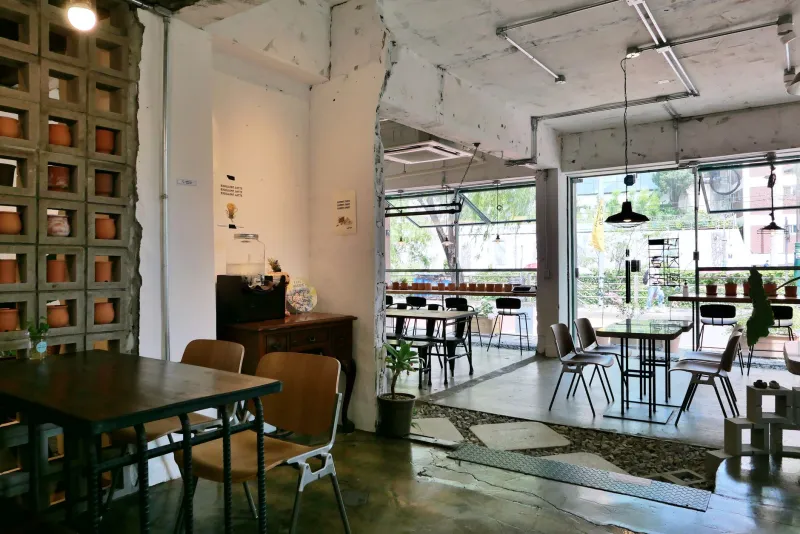
Meanwhile, three blocks away, a woman named — let's call her Lin — is on her second cup of the morning at a place she's been coming to for four years. There's no line. The barista knows her order. The music is good. The light through the window is perfect. Nobody is photographing anything.
If you're visiting Taipei and you care about coffee, I'd gently suggest that Lin's morning is the one worth having.
The Viral Café Circuit and Its Discontents
This isn't a screed against beautiful cafés. Taipei has some genuinely stunning ones, and there's nothing wrong with wanting to see them. The problem is when the Instagram-curated list becomes the entire itinerary — when travelers move through a city collecting aesthetic checkboxes rather than actually experiencing the place.
The viral café circuit in Taipei has a recognizable shape. It usually includes a handful of spots in Da'an, one or two in Zhongshan, maybe something in Xinyi if the traveler is feeling adventurous. These places are well-documented, well-photographed, and frequently excellent. They're also often crowded with other people doing exactly the same thing, which creates a particular kind of self-referential tourism loop that can feel, by day three, a little exhausting.
More importantly, it misses most of what makes Taipei's café culture genuinely interesting.
What "Authentically Taipei" Actually Means
Here's a useful frame: Taipei's café scene didn't develop to serve tourists. It developed to serve Taipei. The city has a deeply embedded coffee culture that predates the Instagram era by decades — shaped by Japanese colonial influences, a strong local tea tradition, and a population of urban professionals who treat café-sitting as a legitimate way to spend several hours of a day.
An authentically Taipei café, in this sense, is one where the regulars outnumber the first-timers. Where the menu has been refined over years rather than designed for shareability. Where the owner is probably somewhere in the room and probably knows most of the people in it.
These places exist in every neighborhood. They're just not always easy to find if you're working from a standard tourist shortlist.
How to Actually Find the Good Spots
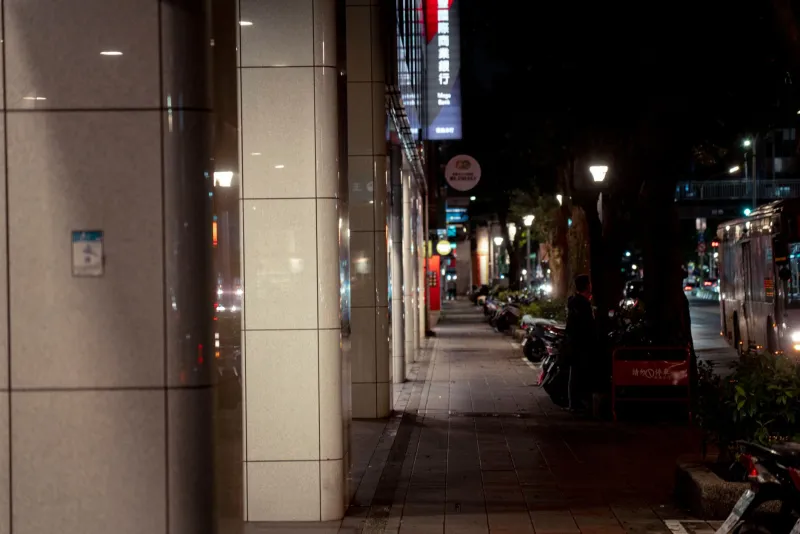
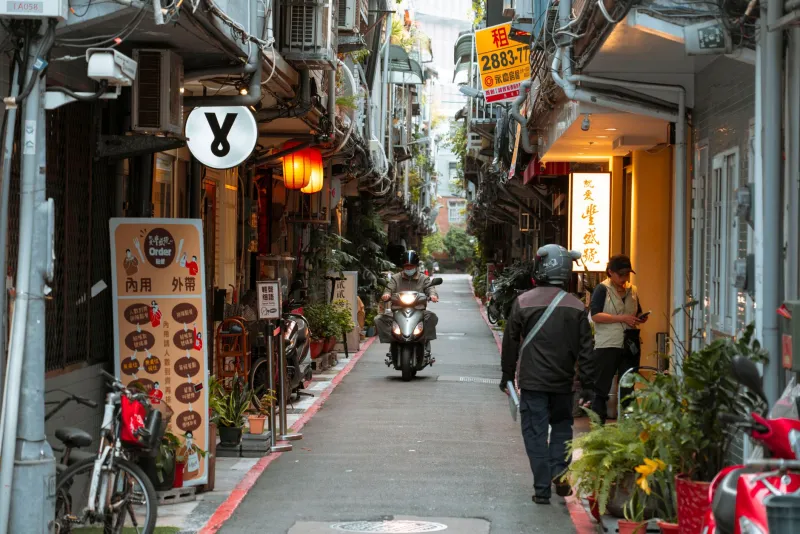
The most reliable method, unsexy as it sounds, is walking. Taipei is a remarkably walkable city once you get off the MRT and onto the side streets. The neighborhoods of Wenshan, Songshan, and the quieter stretches of Zhongzheng have café ecosystems that most tourists never encounter simply because they're not on the way to anything famous.
Look for the small signs. Many of Taipei's best neighborhood cafés have minimal street presence — a small A-frame sign, a handwritten menu in the window, a single neon light. They're not trying to attract foot traffic from people who don't already know them. That's actually a good sign.
Pay attention to the clientele. If everyone in a café is a tourist, that tells you something. The places where locals spend their mornings tend to have a particular energy — unhurried, a little proprietary, comfortable with silence. You'll feel it when you walk in.
Ask your hotel staff, but ask specifically. "Where's a good café?" will get you a list of the same viral spots. "Where do you personally get coffee?" is a much better question. The answer is almost always somewhere more interesting.
Use Google Maps reviews in Traditional Chinese. This sounds like a hassle, but it's genuinely useful. Reviews written by local customers in Mandarin will surface places that haven't been absorbed into the English-language travel content ecosystem yet. Run them through a translation app and you'll find recommendations that feel genuinely different from the standard tourist circuit.
The Neighborhoods Worth Wandering
A few areas that consistently reward aimless exploration:
Gongguan is a university neighborhood with a dense, scrappy café scene that caters to students on actual budgets. The coffee is often excellent, the spaces are unpretentious, and the vibe is about as far from Instagram temple as you can get while still being in a café.
Dadaocheng has been gentrifying for a while now, but it still has pockets where old-school tea houses and newer specialty coffee spots coexist in genuinely interesting ways. The architecture is beautiful without being staged, and the neighborhood has a historical texture that the newer commercial districts lack.
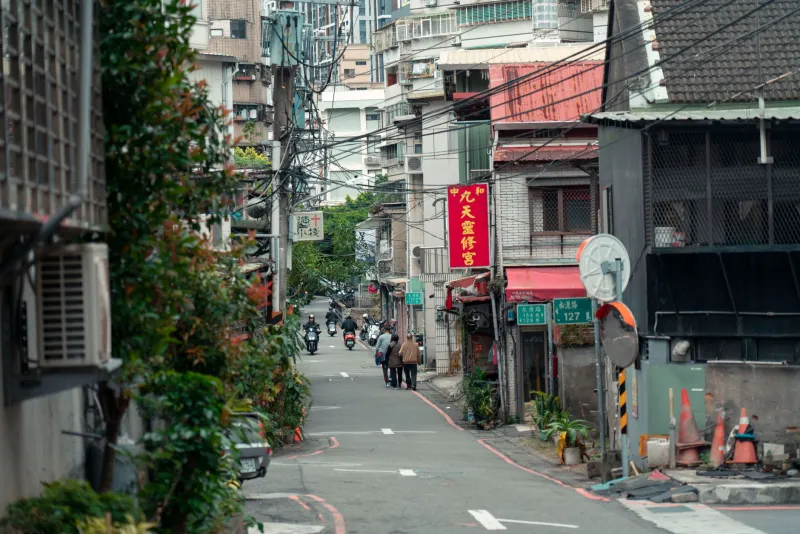
Xingtian Temple area in Zhongshan is underrated as a café neighborhood. The streets around the temple have a mix of working-class businesses and newer coffee shops that creates a more layered, less curated feel than the design-heavy blocks further south.
On Managing Expectations (Yours and the Café's)
One thing American travelers sometimes find disorienting about Taipei's neighborhood cafés is the service style. It's not cold, exactly, but it's not performatively warm either. Baristas are professional and focused. They're not going to chat you up or ask where you're from. If you're used to the convivial, name-on-the-cup culture of American coffee chains, it can read as standoffish.
It isn't. It's just different. The transaction is respected as a transaction, and the space is respected as a space. Once you adjust to that register, it actually feels quite pleasant — a little less like a performance, a little more like just getting coffee.
The Real Souvenir
The best thing you can bring home from Taipei's café scene isn't a photo, though the photos will be good. It's a recalibrated sense of what a coffee shop can be — how a well-run neighborhood spot can function as genuine community infrastructure, how design and craft can coexist without either one overwhelming the other, how a city can take coffee seriously without taking itself too seriously.
You won't find that in the line outside the place with forty thousand Instagram tags. You'll find it three blocks away, at a table by the window, where nobody is looking at you and the coffee is exactly right.