Your Coffee, Your City: How Solo Travelers Are Turning Taipei's Café Scene Into a Personal Adventure

There's a particular kind of traveler showing up in Taipei these days. They've got a tote bag, a dog-eared notebook, and exactly zero interest in following a pre-packaged tour. What they do have is a running list — some scrawled on paper, others buried in a Notes app — of cafés they want to hit before they leave. Not because someone told them to. Because they built that list themselves.
Call it the café passport mentality. It's less about checking boxes and more about constructing a travel experience that actually reflects who you are. And in a city like Taipei, where a single neighborhood can hold a dozen genuinely distinct coffee shops within a ten-minute walk, it turns out to be a surprisingly rich way to explore.
Why Taipei Rewards This Kind of Intentional Wandering
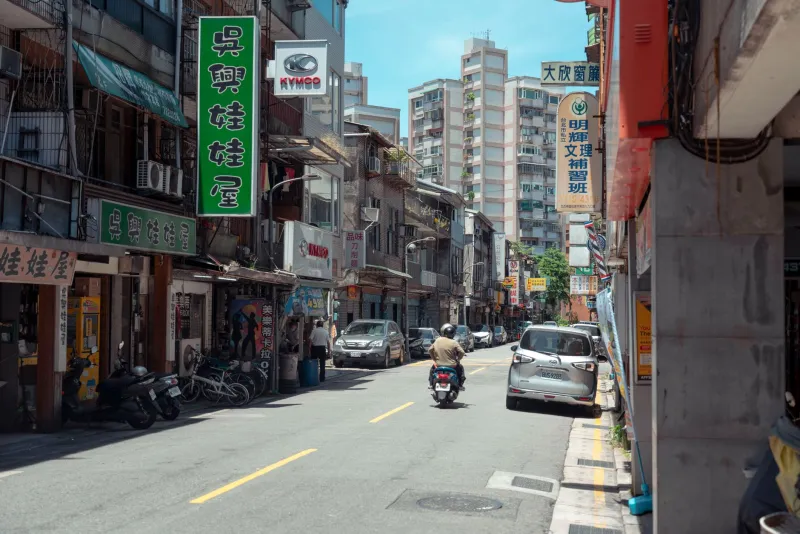
Taipei's café culture isn't monolithic. Da'an feels different from Zhongshan. Gongguan has an energy that Songshan doesn't. And the coffee shops in each of these neighborhoods tend to absorb some of that local personality — the clientele, the pace, the aesthetic, even the menu.
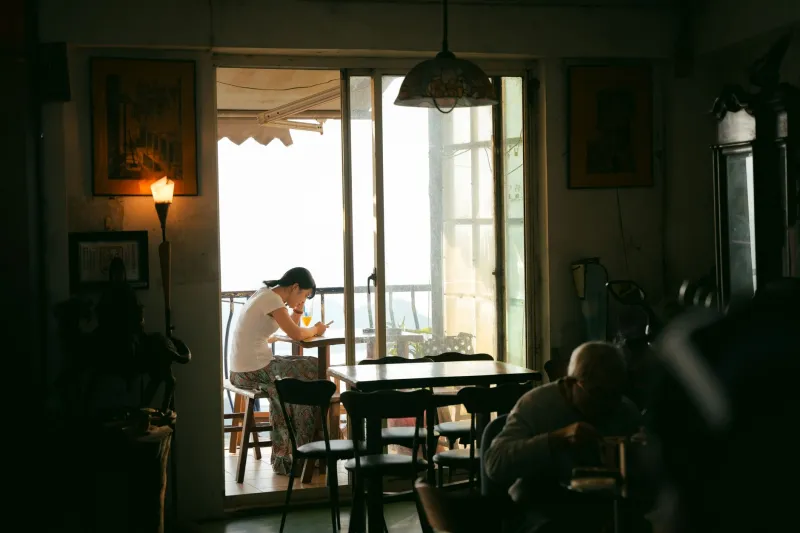
For a solo traveler, that variety is a gift. You're not just drinking coffee; you're getting a quiet window into how different parts of this city actually live. The grad students hunched over laptops in a Gongguan basement café. The creative professionals lingering over single-origin pour-overs in a Zhongshan side-street spot. The retirees nursing long blacks at a Da'an neighborhood staple that's been around since before specialty coffee was a thing.
When you build your own café list rather than borrowing someone else's, you start making choices that lead you to those kinds of moments — the ones that don't show up in travel roundups.
Starting the List: Discovery Methods That Actually Work
Most solo travelers who've done this well will tell you the same thing: Instagram is a starting point, not a destination. The platform is genuinely useful for spotting places that look interesting, but it over-indexes on photogenic interiors and under-delivers on the stuff that actually matters — coffee quality, atmosphere at different times of day, how it feels to sit there alone for an hour.
A more reliable approach tends to combine a few different sources. Google Maps reviews, filtered for recency, surface places that locals are actually visiting right now. Taiwanese food blogs — even run through a translation tool — tend to be more granular and honest than English-language travel content. Reddit threads, particularly on r/taiwan, are gold for the kind of candid takes you won't find in polished guides.
Some travelers go even lower-tech: they ask at their first café. Baristas in Taipei are, as a rule, genuinely passionate about coffee, and if you express real curiosity, many will point you toward places they personally respect. That kind of local-to-local recommendation has a hit rate that no algorithm can match.
The Notebook Habit: Why Writing It Down Changes Everything
Here's something a surprising number of café-focused travelers have figured out: keeping a physical record transforms the experience. Not a formal review, not a social post — just a few lines about what you ordered, what the place felt like, what you noticed.
It sounds low-stakes, but it does something meaningful. It slows you down. Instead of taking a quick photo and moving on, you spend five extra minutes actually processing where you are. Over the course of a week, those notes become a genuine document of how you moved through the city — a record that's far more personal than a camera roll.
Some travelers use their notes to track preferences, too. Did you keep ordering the same kind of brew? Did you gravitate toward spaces with natural light, or did you end up loving the dim underground spots? By the end of a trip, patterns emerge that tell you something real about your own taste — which is, arguably, the point.
Building the List Around Neighborhoods, Not Fame
The travelers who seem to get the most out of this approach tend to organize their café lists by area rather than by prestige. Instead of chasing the most-talked-about spots citywide, they pick a neighborhood for a morning and commit to exploring it on foot, using their list as a loose guide rather than a rigid schedule.
This works particularly well in Taipei because the city is so walkable and the neighborhoods are so distinct. Spending a full morning in Yongkang — starting with a coffee, wandering the streets, doubling back for a second cup somewhere else — gives you a feel for a place that a single café visit never could.
The Instagram-famous spots aren't necessarily off the list, either. They're just not the whole point. If a well-known café genuinely fits what you're looking for, it belongs in the notebook. If it's just famous, it probably doesn't.
What You Actually End Up With
By the end of a week in Taipei built around this kind of café exploration, most solo travelers describe something that feels less like a vacation and more like a genuine encounter with a city. They've sat in enough different rooms, talked to enough baristas, and walked enough unfamiliar blocks that Taipei starts to feel less like a backdrop and more like a place they actually know.
The café list, by that point, has usually grown way beyond what was possible to finish. Which is probably the right outcome. A good bucket list is never really meant to be emptied — it's meant to give you a reason to come back.
And with Taipei's café scene expanding and evolving the way it is right now, there will always be a reason to come back.