Your New Travel Itinerary Has One Stop on Every Block: The Case for Café-Hopping Your Way Through Taipei
There's a moment that happens to almost every American who visits Taipei for the first time. They've done the MRT, they've done Shilin Night Market, they've photographed Chiang Kai-shek Memorial Hall from the exact same angle as ten thousand Instagram posts before them. And then, usually by accident, they duck into a café somewhere in Da'an or Zhongshan to escape the afternoon heat — and something shifts.
The coffee is better than they expected. The space feels like it was designed for actual human beings. Nobody is rushing them out the door. And the person behind the bar is genuinely curious about where they're from.
That accidental stop ends up being the thing they talk about when they get home.
Why the Café Works as a Travel Tool
Traditional sightseeing has a built-in problem: it keeps you on the outside looking in. You observe a landmark. You read a placard. You take a photo and move on. None of that tells you how a city actually feels to live in — what people talk about over breakfast, how neighborhoods shift in personality from block to block, what locals consider worth their time.
Cafés solve that problem almost automatically. They're neighborhood institutions. They reflect the tastes, the aesthetics, and the pace of the people who built them and the people who come back week after week. Walk into a coffee shop in Taipei's Wenshan District and you're getting a very different read on the city than you'd get in a sleek minimalist spot in Xinyi. Neither is wrong. Both are true. And together, they start to form something that no tour bus can replicate.
For American travelers especially — who are often used to coffee shops as transactional spaces, places to grab and go — Taipei's café culture represents a genuine reorientation. These are rooms designed for staying. For thinking. For being a person in a city rather than a tourist passing through it.
The Ritual That's Replacing the Itinerary
Call it the café passport approach. More and more US visitors are arriving in Taipei with a loose mental map of neighborhoods they want to explore, anchored not by museums or shopping malls but by specific coffee shops they've researched — or discovered by wandering.
The ritual goes something like this: pick a neighborhood, find a café that feels rooted in it, sit long enough to actually absorb the place, then walk. See what's around the block. Let the next café find you, or seek it out deliberately. Repeat.
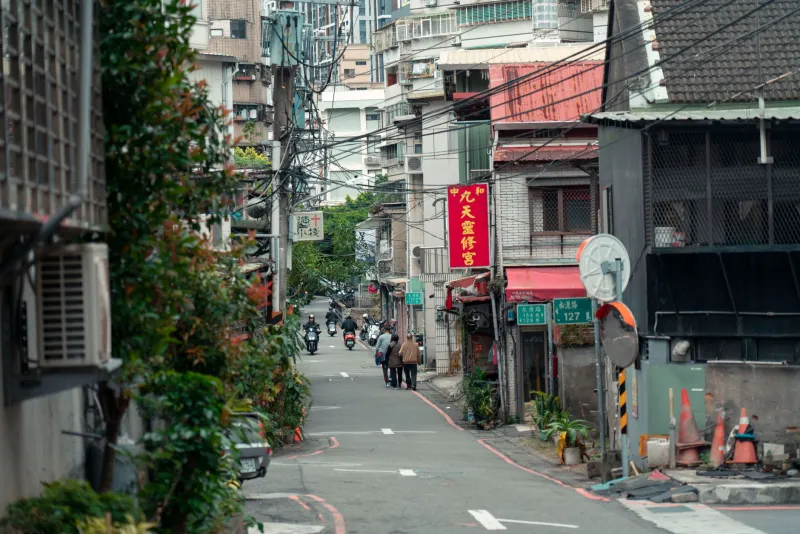
It sounds almost too simple. But the results are surprisingly deep. Travelers who move through Taipei this way tend to discover things that don't make it onto most travel blogs — the old bookshop wedged between two café awnings in Shida, the morning produce market that only makes sense once you've watched the neighborhood wake up from a café window, the side street in Yongkang that you'd never have turned down if you hadn't been walking slowly enough to notice it.
The café, in this model, isn't a pit stop. It's the anchor. Everything else radiates outward from it.
Connecting With Locals — Without Trying Too Hard
One of the persistent frustrations American tourists mention about traveling in unfamiliar cities is the difficulty of making genuine contact with people who actually live there. Guided tours don't help much. Neither does eating at restaurants recommended by the hotel concierge.
Cafés, by contrast, are naturally porous social spaces. Taipei's specialty coffee scene in particular tends to attract owners and baristas who are deeply passionate about what they do and genuinely happy to talk about it — the sourcing of a bean, the logic behind a particular brew method, the neighborhood's history before it became a café destination.
For American visitors who walk in with some basic curiosity and a willingness to ask questions, those conversations can become the highlight of the trip. Not because they're exotic or performative, but because they're real. Two people talking about coffee and ending up somewhere much more interesting.
Language isn't always a barrier either. English proficiency among younger Taipei café owners and staff tends to be solid, and even where it isn't, the shared language of good coffee — the ritual of watching a pour-over being prepared, the universal expression of genuine appreciation after a first sip — carries a lot of the conversation on its own.
Reading the Neighborhood Through Its Coffee Shops
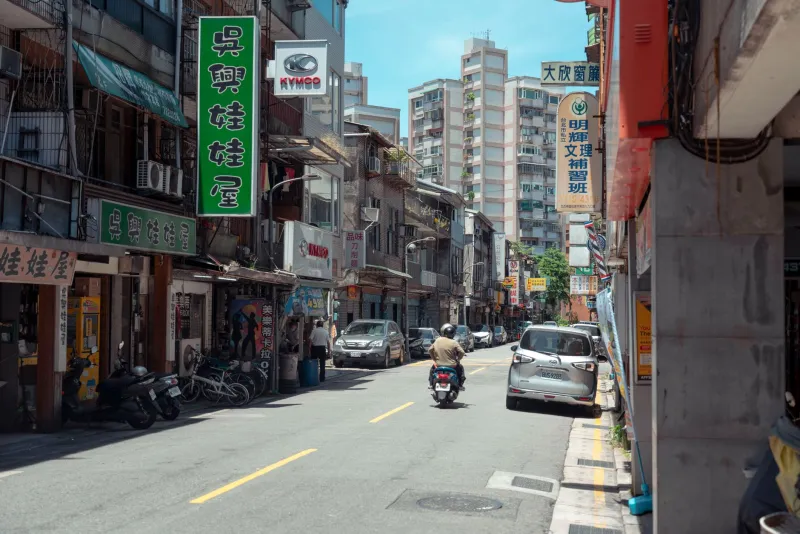
Every district in Taipei has a personality, and the cafés in it tend to wear that personality openly. Zhongshan's café corridor leans cosmopolitan and design-forward, reflecting the neighborhood's fashion and gallery crowd. Gongguan, pressed up against National Taiwan University, runs quieter and more studious, full of people with laptops and long afternoons. Beitou has spaces that feel almost contemplative, influenced by the hot spring culture and the slower pace of the hillside.
For American travelers trying to understand a city that's genuinely different from anywhere they've been before, these distinctions matter. Café-hopping across neighborhoods gives you a kind of ground-level sociology that you simply can't get from the top of an observation deck.
It also gives you a framework for making decisions. Once you've sat in a Yongkang café for an hour and absorbed the neighborhood's energy — the mix of old-school Taiwanese families and young creative types, the proximity to the city's best beef noodle soup — you start to understand why people love living there. And that understanding makes the rest of the visit richer.
Slowing Down Enough to Actually Arrive
There's something worth naming directly: café-hopping in Taipei works best when you resist the urge to optimize it. The American instinct — and it's a strong one — is to turn any travel activity into a checklist. Hit the top-rated spots. Maximize the number of neighborhoods covered. Get the photo. Move on.
Taipei's café culture pushes back against that gently but persistently. The best coffee shops here aren't rushing you. The best experiences happen when you're not rushing yourself.
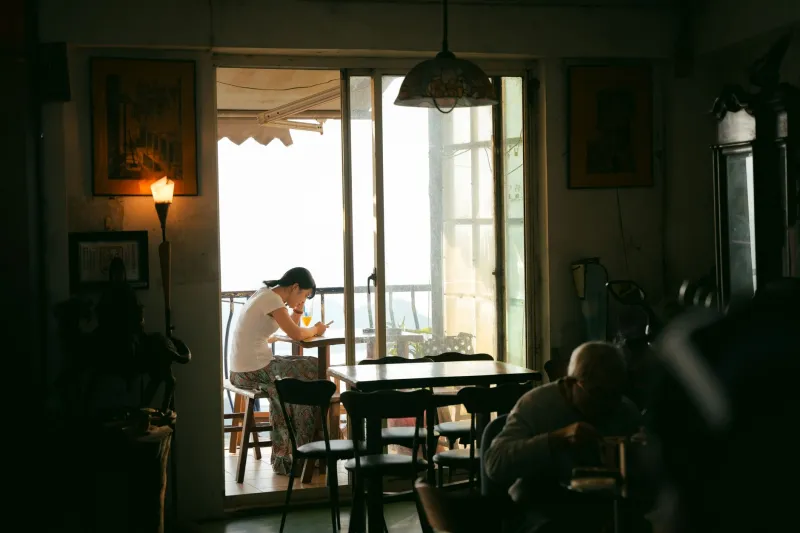
Sit with the coffee. Watch the street through the window. Let the afternoon go somewhere unexpected. That's not wasted time. That's actually how you travel somewhere instead of just passing through it.
The café passport idea works because it reframes what the goal of a trip can be. Not to see everything, but to actually be somewhere — to feel a city's particular texture and rhythm and understand, even a little, why the people who live there chose it.
Taipei is very good at rewarding that kind of attention. The coffee doesn't hurt either.