The Cafés That Made Taipei Famous: A Honest Look at the Classics Every American Visitor Seeks Out
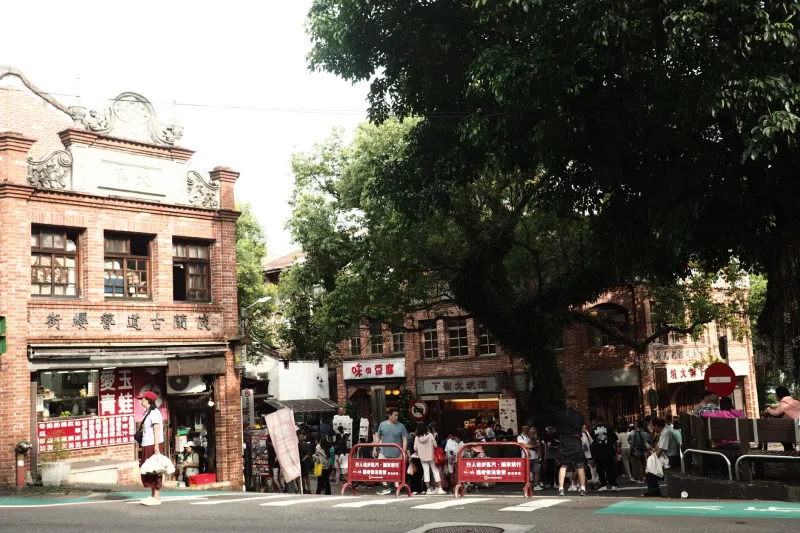
There's a specific kind of Taipei café that exists in the American travel imagination before the trip even starts. It's the one with the long Reddit thread, the saved Instagram folder, the name that keeps appearing in "best of" lists from 2018 and 2023 alike. These are the institutions — the places that effectively taught a generation of American visitors what a Taipei café could be.
Some of them still deliver. Some have coasted. A few have been quietly surpassed by newer spots that don't carry the same mythology. This is an honest accounting of the cafés that shaped expectations, where they stand today, and what the pilgrimage actually feels like when you show up.
The Pioneers of Da'an: Where the Template Was Set
Da'an District remains the spiritual home of Taipei's specialty coffee movement for many American visitors, and for good reason. The neighborhood's density of serious cafés — the kind with single-origin pour-overs, meticulous brewing standards, and interiors that feel curated rather than decorated — set the visual and experiential vocabulary that travelers still arrive expecting to find citywide.
The cafés that established Da'an's reputation in the early-to-mid 2010s were doing something genuinely novel: bringing third-wave coffee principles into a culture that already had deep relationships with both tea ceremony and Japanese coffee shop aesthetics. The result was a hybrid approach — precision and ritual without the self-seriousness that sometimes accompanies specialty coffee in the US.
The legendary spots from this era that remain worth visiting have done so by evolving. The ones that haven't are often still pretty good — just no longer the best in the room.
The Zhongshan Corridor: Design-Forward and Internationally Known
If Da'an established the coffee credentials, Zhongshan District gave the scene its visual identity. A cluster of cafés along and around Zhongshan North Road became internationally recognized partly for their design — Japanese-influenced minimalism, vintage furniture, carefully chosen ceramics — and partly because they were genuinely excellent at the coffee part too.
These are the cafés that appear most frequently in the travel journalism Americans read before visiting. They photograph exceptionally well, which helped build their reputations abroad, but the best of them have substance behind the aesthetics. Expect longer lines than you'd encounter at comparable quality spots in less Instagram-famous locations. The tradeoff is usually worth it for at least one visit.
The honest caveat: a few spots in this corridor have leaned harder into the design and tourist appeal than into the coffee itself. The beverage quality at the most photographed tables isn't always equal to the quality at the lesser-known place two blocks away. Worth doing your research before committing to a two-hour queue.
The Yongkang Street Institutions: Old Guard, Still Standing
Yongkang Street and its surrounding blocks represent something different from the specialty coffee boom — a longer-established café culture that predates the third-wave wave and has simply endured. The cafés here have been serving the neighborhood for decades in some cases, and their staying power comes from consistency and community rather than novelty.
American travelers who find their way here often describe a different quality of experience: less curated, more lived-in, with a regulars-to-tourists ratio that favors the former. The coffee may not be competing for awards, but the sense of place is irreplaceable. These are the spots where you understand what "neighborhood café" actually means in Taipei — not a concept, but a function.
For visitors, the right approach to Yongkang's café institutions is to treat them as context rather than destination. Come because you want to understand where the current scene came from, not because you're chasing the most technically impressive espresso in the city.
The Specialty Roasters That Became Destinations
A distinct category of legendary Taipei café is the roaster-forward establishment — places where the sourcing story, the roasting philosophy, and the brewing method are the explicit point, and where the café itself functions almost as a showroom for the coffee program.
Several of these operations have achieved near-mythical status in specialty coffee circles internationally, and American coffee professionals visiting Taipei often treat them as mandatory stops regardless of whatever else is on the itinerary. The quality ceiling at these spots is genuinely among the highest in Asia, and the education you get — if you're willing to ask questions and take your time — is remarkable.
What's changed in recent years is the competition. When these roasters first became known, they were outliers. Now they exist in a city with dozens of serious specialty operations, many of which have caught up technically. The legendary spots remain excellent; they're just no longer alone at the top.
The Ones That Are Living on Reputation
It would be unfair to name specific cafés in this category, but the pattern is recognizable to anyone who's spent time on Taipei's café scene: the establishment that was genuinely groundbreaking five or eight years ago, that still carries enormous name recognition internationally, but whose coffee and service have plateaued while the city around it has advanced.
These spots are easy to identify once you're on the ground and talking to locals. The tells are consistent: long waits driven by tourist traffic rather than quality, menus that haven't changed in years, and a certain complacency that sets in when reputation does the marketing work for you.
The right response isn't to skip them entirely — understanding why they were legendary is part of understanding Taipei's café history. But going in with calibrated expectations is smarter than arriving with the assumptions built by a five-year-old travel blog post.
What the Classics Actually Taught American Travelers
The lasting contribution of Taipei's legendary cafés isn't any single drink or any particular interior. It's a set of expectations about what a café visit is supposed to be: unhurried, considered, worth the detour, and embedded in a neighborhood rather than dropped into it.
American visitors who've done serious time in Taipei's iconic spots tend to go home with a recalibrated sense of what coffee culture can look like. That's the real legacy of these institutions — not the Instagram posts, but the standard they quietly set for everyone who walked through the door.